Stainless steel is a popular choice for modern kitchens and bathrooms due to its sleek look and resistance to corrosion. However, even though it’s tough and stylish, it can still show fingerprints, smudges, and stains. So, it’s important to give it regular care to keep it looking its best.
In this blog, we’ll discuss common issues with stainless steel and share tips for keeping your surfaces shining and spotless.
Understanding Stainless Steel
Stainless steel is a type of steel that includes chromium, which gives it resistance to rust and stains. It is widely used in kitchens, bathrooms, and other areas for items such as appliances, countertops, and sinks.
Stainless steel surfaces can have different finishes, which affect both the appearance and how to maintain them. These are the three types of stainless steel finishes:
Brushed finish: Commonly used for kitchen appliances and sinks, this finish features fine, parallel lines that create a textured look. Brushed stainless steel helps to hide fingerprints and minor scratches, but to maintain the finish; you must always clean it in the direction of the brush strokes.
Polished finish: This finish provides a mirror-like, highly reflective surface. Often used for decorative purposes and chosen for appliances such as dishwashers. To keep a polished finish looking its best, clean it carefully to avoid streaks.
Matte finish: This finish is non-reflective and less likely to show fingerprints and smudges than polished finishes. Matte stainless steel finishes are commonly used in residential and commercial settings. When cleaning matte steel appliances, it is important to follow the grain pattern to avoid altering the surface texture.
Effective Commercial Stainless Steel Cleaners
Using the correct cleaner is crucial for maintaining the appearance of stainless steel appliances and surfaces; it is essential to consider the surface’s finish, as some cleaners are specifically formulated for specific finishes.
Commercial environments, such as restaurants and industrial kitchens, require effective cleaning solutions that tackle tough grime and maintain a professional look.
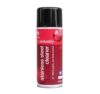
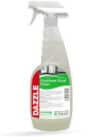
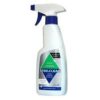
To help you find the best products for maintaining your stainless steel surfaces, we’ve compiled a selection of the top stainless steel cleaning solutions available at Power Hygiene.
Even though stainless steel is prized for its sleek, durable nature, as discussed, common issues like fingerprints and smudges can detract from its polished look. This section will delve into these typical problems, explaining how they occur and offering straightforward tips to keep your stainless steel surfaces looking their best.
How to remove fingerprints from Stainless Steel?
As stainless steel is smooth and reflective, oils from your skin can easily transfer to the surface, leaving visible marks. This can be particularly noticeable on polished or brushed finishes.
How to remove stains from Stainless Steel?
Despite its resistance to rust and corrosion, stainless steel can still develop stains or discolouration over time. This can result from exposure to harsh chemicals, food spills, or water spots. Certain foods, especially those with high acidity or salt content, can leave stains if not cleaned promptly. Regular maintenance and immediate cleaning of spills can help prevent these issues.
How to remove scratches from Stainless Steel?
Scratches can occur on stainless steel surfaces, especially those with a polished or matte finish. They can be caused by abrasive cleaning pads, sharp objects, or rough handling. While minor scratches might blend into the grain pattern, deeper scratches can be more noticeable and affect the surface’s appearance.
How to remove water spots from Stainless Steel?
Water spots are another common issue, especially in areas with hard water. These spots occur when water evaporates and leaves mineral deposits behind. Over time, these deposits can build up and cause unsightly marks on the surface. To avoid water spots, dry the surface after cleaning or wiping with a soft microfibre cloth.
How to remove rust from Stainless Steel?
Although stainless steel is resistant to corrosion, it is not entirely immune. Under certain conditions, such as prolonged exposure to chlorine or salt, stainless steel can develop corrosion or rust. Regular cleaning and avoiding exposure to harsh chemicals can help prevent this issue.
How to restore shine to Stainless Steel?
Over time, the surface of stainless steel can lose its original shine due to grime buildup, improper cleaning methods, or general wear and tear. Regular polishing and using the right cleaning products can help restore and maintain its glossy appearance.
How to Maintain Your Stainless Steel Appliances Long-term
To keep your stainless steel appliances looking their best over time, following a consistent cleaning routine is essential. Clean the surfaces at least once a week to avoid the buildup of grime and fingerprints. Use a soft cloth or sponge with warm, soapy water for regular cleaning, which helps prevent the accumulation of dirt and grease.
In addition to regular cleaning, consider these preventative measures:
Use Gentle Cleaning Tools: Opt for soft cloths and sponges to prevent scratches and damage.
Apply Protective Coatings: Use stainless steel wipes or specialised protective sprays to help repel fingerprints and stains.
Dry the Surfaces Thoroughly: After cleaning, use a dry microfiber cloth to prevent water spots and rust.
Avoid Harsh Chemicals: Avoid bleach, ammonia, or abrasive cleaners that can damage the finish.
Address Spills Immediately: Clean up spills and moisture immediately to prevent rust and discolouration.
Consider Appliance Covers: Use covers for heavy-use appliances to protect them from damage and wear.
Regularly Inspect for Damage: To avoid further issues, check appliances for scratches or dents and address them promptly.
By incorporating these practices, you’ll ensure that your stainless steel appliances remain in excellent condition and continue to enhance your home for years to come.
If you are ready to keep your stainless steel appliances in top shape, you can shop the selection available at Power Hygiene.
Frequently Asked Questions (FAQs)
Can I use natural or DIY cleaners on stainless steel?
Yes, many people use household items like vinegar, baking soda, or olive oil to clean stainless steel. Vinegar can help remove hard water spots and disinfect surfaces, while baking soda is effective for gentle scrubbing. Always test in a small area first and follow the grain of the steel.
Is stainless steel dishwasher safe?
Most stainless steel utensils, cookware, and some appliance parts are dishwasher safe. However, repeated dishwashing can lead to dulling or spotting, especially when using hard water. Always check the manufacturer’s guidance and consider hand-washing for high-shine finishes.
What causes discolouration or rainbow stains on stainless steel?
Heat exposure or certain chemicals can cause a bluish or rainbow discolouration on stainless steel. This is often due to oxidation. These marks can usually be removed using a stainless steel polish or a cleaner with oxalic acid.
Are all stainless steel surfaces magnetic?
Not all stainless steel types are magnetic. The magnetism depends on the steel’s crystalline structure. For example, 304 stainless steel (commonly used in kitchens) is non-magnetic, while 430 stainless steel is magnetic. This can be useful to know when choosing appliances or accessories.
Power Hygiene Expert Insights Team
40+ Years of Expertise in Cleaning & Hygiene Solutions
Power Hygiene has been a trusted name in commercial cleaning and hygiene supply for over 40 years, supporting organisations across the UK with reliable products, expert advice, and sustainable solutions.
Our Expert Insights Team brings together industry knowledge from across cleaning, procurement, and facilities management to share practical, real-world guidance that helps businesses maintain safer, cleaner, and more efficient environments.
I've finally found a company I can rely on for keeping my office clean. As my business has grown, their products have helped more and more each day, to keep on top of the ever-mounting amount of dirt that inevitably builds up in the office.
Ling O
Wow, Simply WOW!
I'm not very savvy with cleaning supplies, but when I called up, I was blown away by their perseverance in helping me find precisely what I was describing. Thank you!